
The Internet’s New Mask: AKA “The Internet of Things (IOT)”
If you value your privacy, you should be wary of IPv6. Let’s peel back the layers of marketing and “progress” to see what’s really at stake when the world switches to this new internet addressing system. As someone with a background in military intelligence and hands-on experience in computer and communications networks, I’ve watched this development with concern—and I think you should, too.
Why Listen to Me?
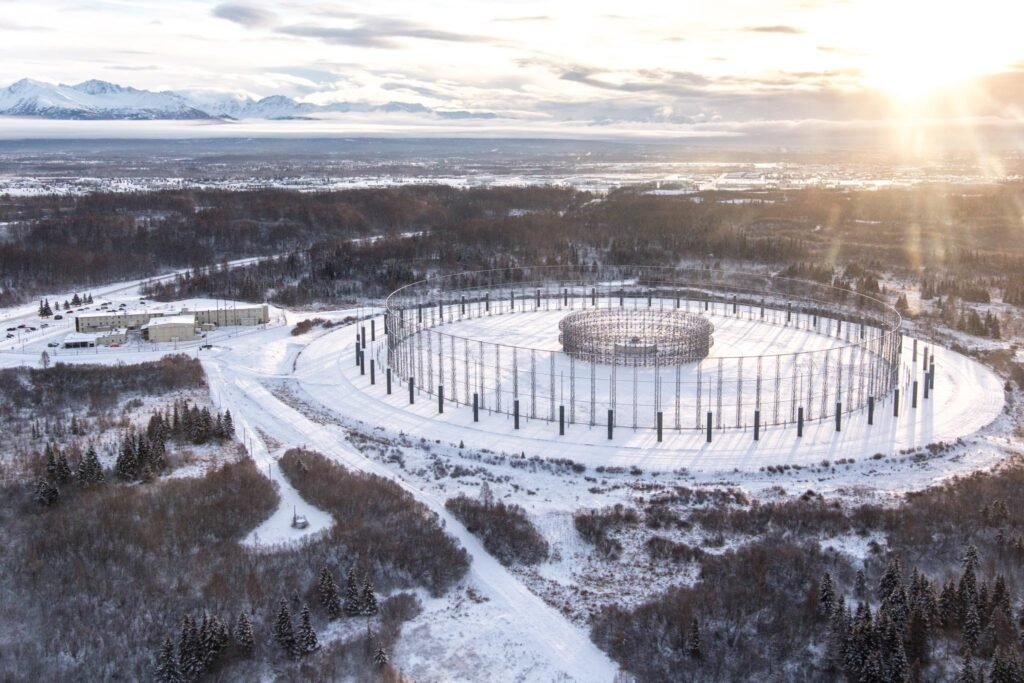
I spent over seven years enlisted in the U.S. Air Force, much of it working in Military Intelligence at Elmendorf Air Force Base. My specialty was “Electronic Computer and Switching Systems”—in plain English, that means I built, maintained, and taught others about the core infrastructure that moves digital information across the world. I don’t just know how networks work; I know how they’re monitored, manipulated, and sometimes compromised.
What is IPv6?
I’ll use an analogy from the US Postal Service. Right now, if your friend were to mail you, but didn’t put your name on the envelope, the government would have no idea who the letter was written to, only the mailbox number it goes in. Now imagine that every piece of mail you receive has no name on it – only an address – in fact, even the return address has no name – only an address.
Looking at the outside of the envelope, the only thing the post office knows is that your household receives information from all sorts of locations, but but they have no idea who is sending nor receiving the information. They would have to open each piece of mail in order to know who was communicating with whom – which is illegal. The only way they would find out that information would be to be inside your house when the letter was opened. From an Internet standpoint – that is how the older IPv4 protocol works.
Now, if your friend was to put both your name and their name on the envelope, the post office would not need to be inside your house – nor would they need a spy to reveal who it is you are communicating with. You have voluntarily allowed them to build a communication profile between two specific individuals. From an Internet standpoint – that is like the newer IPv6.
Why is IPv6 Being Pushed So Hard?
Ask Google, “Should everyone adopt IPv6?” and you’ll get glowing answers. Here are some “selling points” you’ll hear:
So, what’s not to love? Progress! Efficiency! Security! But whenever you’re being sold something that sounds too good to be true—especially about technology and privacy—you should start asking harder questions.
Reading Between the Lines: Public Spin vs. Hidden Motives

From my years in intelligence, I learned that large organizations, especially those connected to government, rarely have just one set of motives. They communicate in two languages:
When agencies or major corporations talk about internet changes, they almost never lie outright. Instead, they use carefully crafted language that steers public perception, leaving out inconvenient truths. Take NAT, for example. Google claims IPv6 “eliminates the need for NAT,” but the reality is that “they” are actively eliminating the ability to NAT altogether.
The Accidental Privacy Provided by IPv4
Let’s simplify this for those less familiar with networking. IPv4, the internet’s original address system, handed out a very limited supply of unique addresses. NAT (Network Address Translation) was invented so your entire home—laptops, smart TVs, security cameras, even your smart toaster—could use the same shared public IP address when communicating with the world.
From the outside, your house looked like one device. No company or government could trivially see which device inside your house did what, unless they had access to your router. This “obscurity through scarcity” was never really intended as a privacy feature, but it worked that way for most people.
IPv6: The End of the Crowd Mask

IPv6 rewrites these rules. Its address space is so big that every device on Earth—and then some—can have a unique globally routable identifier. This makes NAT unnecessary… and all but impossible. Your phone, your laptop, your fridge, even your lightbulb can now all have their own permanent “face” on the global internet.
What’s the privacy risk? Now when you visit a website, send an email, or chat with friends, your traffic comes stamped with an address unique to your device—not hidden behind the family’s shared address. Anyone with network access (your ISP, companies, and, yes, governments) can individually track or identify devices in your house. Temporary, “privacy” addresses exist, but many systems default to stable device identifiers. Either way, IPv6 makes surveillance and profiling much easier.
Security for Whom? The Government’s Hand in the Internet
We’re often told that the new wave of internet technology—like IPv6—also means better security. But “security” is a two-edged sword.
Over the years, government agencies in the US and abroad have had a powerful, sometimes invisible, influence on how internet protocols are written and how devices are designed. History is full of examples where so-called “security features” were twisted to serve hidden purposes.
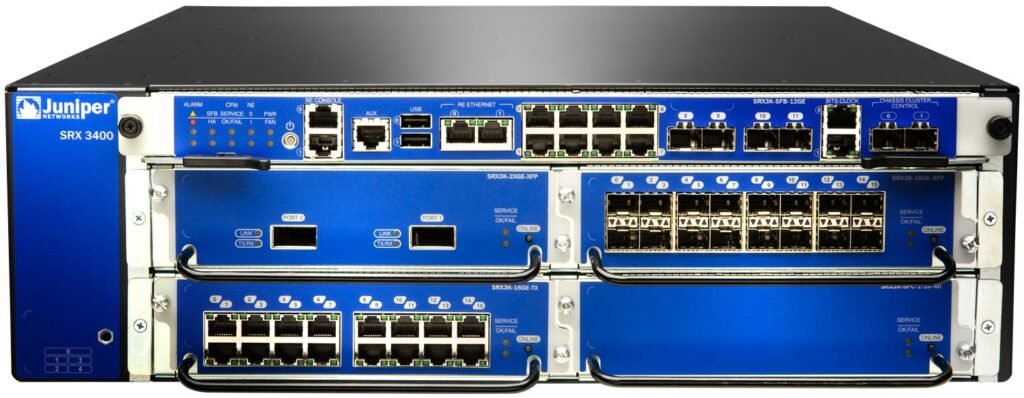
Consider the 2015 Juniper Networks backdoor incident.
Most experts believe, nation-state actors, likely linked to US or Israeli intelligence—managed to plant unauthorized code in the operating systems of Juniper’s high-security routers and VPN devices. These weren’t minor products; they were the backbone for government, corporate, and military networks. The hidden code allowed these actors to decrypt supposedly secure traffic—reading private communications as if there was no lock at all.
The chilling part: This wasn’t done by breaking in through a weak password or a phishing email. It was a vulnerability quietly put in place at the deepest level of the hardware, invisible to customers for years. For people and organizations who depended on this equipment, their “security” was an illusion.
But the reach of governments isn’t just about backdoors in hardware. Many internet standards—including IPv6—are shaped by international committees where government and industry heavyweights steer the conversation. Sometimes, features that seem neutral or beneficial have hidden implications for surveillance or identification.
What Can You Do? Protecting Yourself in the IPv6 Era
The widespread adoption of IPv6 is probably inevitable. The tech industry, internet providers, and governments are steadily marching us toward this new system. But that doesn’t mean you must give up your privacy without a fight.
If you care about your privacy:
The technical details can get confusing, but the important thing is this: 4th Amendment privacy isn’t guaranteed by protocols; it’s protected by vigilance.
Conclusion: Whose Security?
IPv6 is a marvel of engineering, but it comes with tradeoffs—especially for privacy-conscious users. The promises of “convenience, safety, and security” are half-truths unless we also acknowledge the price: less obscurity, easier identification, and powerful new tools for entities interested in watching and collecting.
Ask yourself: when a new technology promises “security,” whose security are they really talking about? Take steps now to stay in control of your privacy—before “convenience” gives away more than you realize.