For decades, Microsoft Windows has been the default choice for almost every PC user. It became the “status quo” of the digital world—an operating system we were forced to accept just to participate in the modern economy. But history tells us that even the most powerful monopolies eventually lose their grip. Today, we are witnessing the slow but steady decline of Windows as the world’s primary operating system, and the beginning of a much-needed change.
The Data Doesn’t Lie
Market research from StatCounter highlights a clear downward trend for Microsoft. In the last decade, Windows has lost about 13% of its market share, currently sitting at roughly 63.2%. While that number is still significant, the direction is unmistakable: users are tired of the status quo and are actively seeking alternatives.
Meanwhile, Linux is experiencing a surge in popularity. By 2025, Linux surpassed the 5% mark for total desktop market share in the U.S.—a major milestone compared to its 0.68% share in 2009. This isn’t just a random spike; it’s a shift driven by individuals who are fed up with constant data collection, intrusive advertising, and the demand to repeatedly upgrade hardware just to run “bloated” software. They’re trading corporate control for freedom.
A Changing Landscape
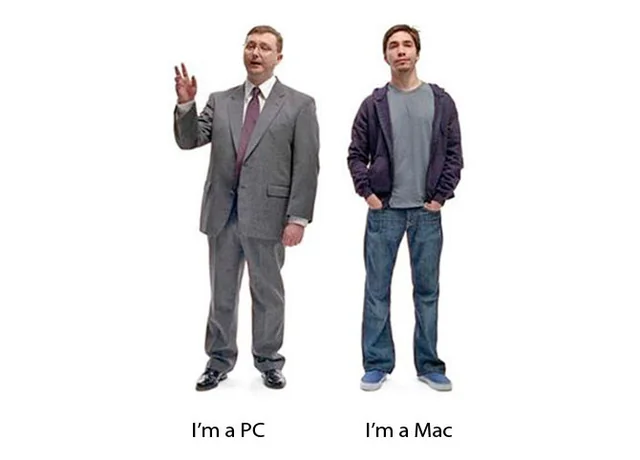
This shift is reminiscent of Apple’s rise years ago. At one point, Apple was considered a niche player, often ignored while Windows dictated the industry standards. Back then, Apple’s market share was under 4%—a threshold that Linux has now officially crossed. Just as Apple eventually proved that a different design philosophy could offer more control and privacy, Linux is showing us that our digital future does not have to be shackled to corporate-driven telemetry-heavy, restrictive ecosystem.
The parallel here goes beyond mere percentages. Just as Apple once challenged the heavyweight in early beige-box computing by offering a more intentional user experience, Linux is now challenging the modern “software-as-a-service” prison. We are moving away from the era where the user is an asset to be harvested by the manufacturer.
The landscape is fracturing because people are realizing that digital sovereignty is not a luxury; it is a necessity. Linux offers an architectural departure from this suffocating model. Unlike the top-down control of Microsoft, the Linux ecosystem is built on transparency and modularity. It provides the “freedom to tinker” that defined early personal computing, combined with the security and privacy mandates required for modern life. We are seeing a transition from a world of passive consumption to one of active ownership, where the machine serves the user—not the other way around. By crossing the 5% threshold, Linux has moved from the “experimental” phase into a legitimate, powerful alternative that is rapidly becoming the standard for those who refuse to compromise their privacy or independence.
Take Back Your Sovereignty with Open Frontiers
Why keep using an operating system that views you as a data point rather than an owner? You deserve a computing environment that respects your privacy and puts your needs ahead of corporate policies.
If you are ready to cut the cord from mainstream tech and establish a secure, high-performance workstation, it is time to explore the /home/of_the_brave
Our core solution at Digital Colonies, Open Frontiers, is designed for those who have outgrown Big Tech dependencies. Don’t get rid of your computer or laptop because Windows won’t support it, we can resurrect your old hardware and give it a “mint” condition refresh, specifically tailored for users who value privacy, decentralization, and independence.
- No forced updates: You control when your system changes.
- No background data-scraping: Your activity stays yours.
- Total system sovereignty: You own your machine, not the corporation.
The era of the “old-guard” operating system is coming to a close. Stop relying on systems that don’t have your best interests at heart. Step through the gate and reclaim your digital independence today. Build your wall, secure your fortress, and take ownership of your digital life.